RV Covers: How to Choose, Use and Maintain Them
News Details
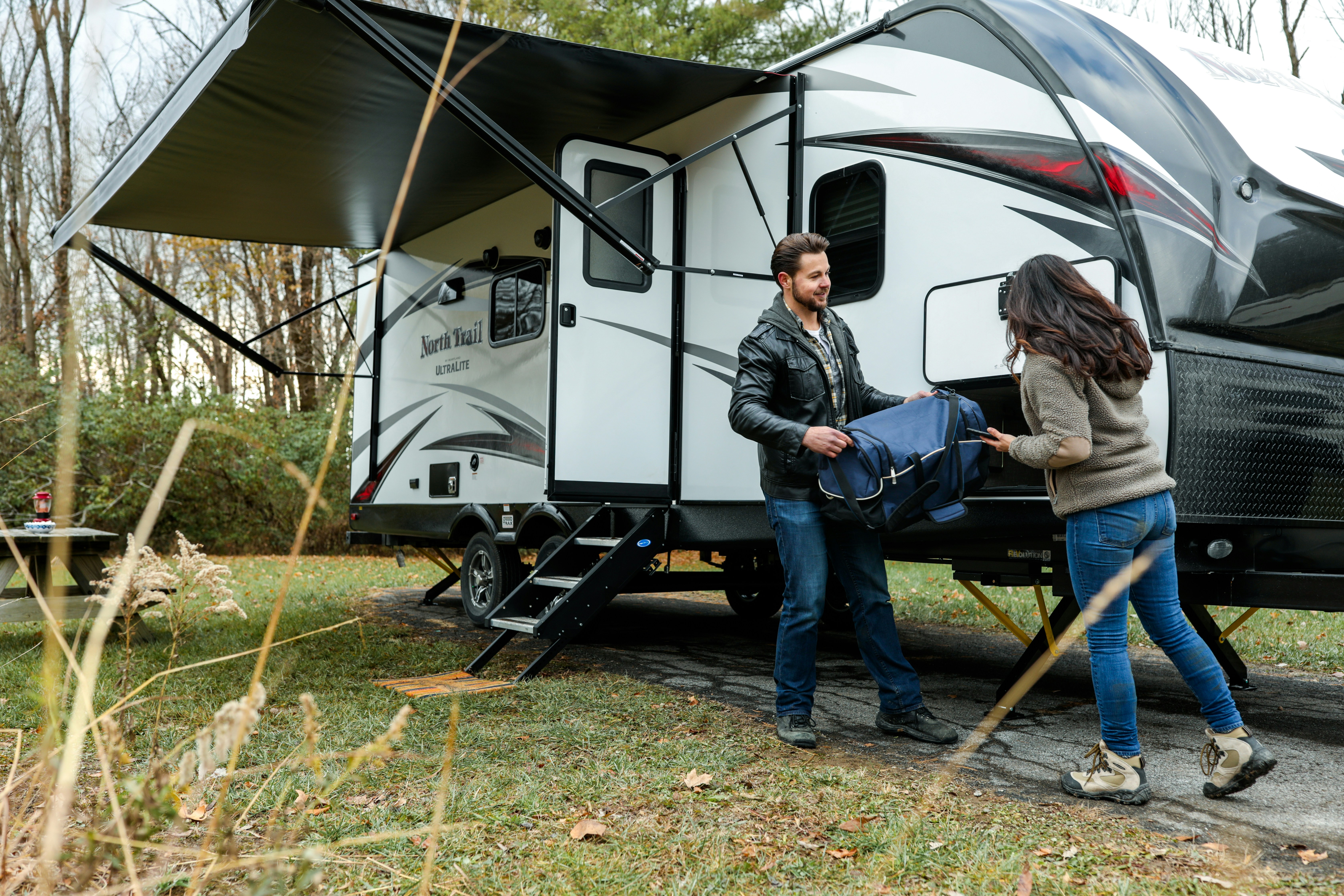
RV protective cover can protect the RV from rain, sunlight, dust, dirt and other outdoor environments. For RV owners, choosing the right protective cover can reduce surface damage and keep the vehicle in better condition during storage. For distributors, wholesalers, and RV product brands, understanding the materials, sizes, and performance of hoods is also important when selecting products for different markets.
However, not all RV cover provide the same level of protection. Material, fit, weather resistance, and installation all affect how the hood performs. This guide explains how to select, use, and maintain RV covers, with practical notes for end users and B2B buyers.
1. Understand the different materials for RV covers
Material is one of the most important factors when choosing an RV cover. It affects durability, breathability, water resistance, and UV protection.
Polypropylene fabric
Polypropylene is commonly used in RV covers because it is lightweight and suitable for outdoor protection. It can help block dust, dirt and sunlight. Some multi-layer versions also provide waterproofing.
Polyester fabric
Polyester is widely used in outdoor apparel due to its strength and stretch resistance. With appropriate coatings or treatments, it provides better water resistance and UV protection.
Multi-layer fabric
Some RV covers use multiple layers of fabric to improve protection. Different layers can provide waterproofing, breathability, and surface strength. This design is ideal for RVs that will be stored outdoors for long periods.
When choosing materials, buyers should compare fabric weight, layer structure, coating, seam construction, and test results rather than just looking at material names.
2. How to choose an RV cover
Choosing the right cover requires more than just checking the price. Buyers should consider vehicle size, local weather, and expected storage conditions.
Check size of RV cover
The cover should fit the length, width, and height of the RV. Measure your vehicle according to the manufacturer's sizing instructions, including relevant roof-top equipment and other fixed features.
A cover that is too small can put stress on the seams and zippers. An overly large cover can move around in strong winds and rub against the vehicle surface.
Consider weather protection
Different environments require different levels of protection.
-
Rainy areas: Choose materials with appropriate water resistance and sealed or reinforced seams.
-
Sunny area: Look for UV-resistant fabrics to reduce sun exposure and material aging.
-
Humid area: Breathable fabrics can help reduce moisture buildup inside the tent.
-
Wind area: Look for adjustable straps, secure buckles, and reinforced attachment points.
Check design and access features
Zippered access panels allow users to enter the RV without removing the entire cover. Reinforced corners and adjustable straps can also improve fit and stability.
3. How to install an RV cover
Correct installation helps protect the RV and its cover from unnecessary wear.
-
Clean the RV: Remove dirt, leaves, and sharp objects from the surface of the vehicle.
-
Check the cover: Make sure there are no damaged seams, straps, or zippers.
-
Place the cover: Place it over the roof and unfold it toward both sides.
-
Secure the strap: Attach straps according to product instructions and adjust tension.
-
Check fit: Make sure the cover is not too loose or too tight.
Avoid covering a wet or dirty RV whenever possible. Over time, trapped moisture and dirt can affect the surface of the vehicle.
4. How to maintain an RV cover
Regular care can help extend the service life of your RV cover and maintain its protective performance.
-
Clean regularly: Remove dust and dirt using water and a mild cleaning solution recommended by the manufacturer.
-
Dry before storage: Make sure the cover is completely dry before folding it to reduce the risk of mold and mildew.
-
Inspect seams and straps: Check for loose stitching, damaged buckles, and worn attachment points.
-
Store properly: Fold the cover and store in a clean, dry storage bag when not in use.
-
Check after severe weather: Check the cover after heavy rain or strong winds to identify possible damage.
Avoid harsh chemicals, vigorous scrubbing, and high-temperature drying unless the product instructions specifically permit them.
5. What should B2B buyers look for in an RV cover manufacturer?
For importers, wholesalers, and RV product distributors, choosing a reliable RV cover supplier involves more than just comparing unit prices.
Please consider these factors before placing a bulk order:
-
Material specifications: Ask about fabric composition, weight, layer structure, and coating details.
-
Size range: Check whether your supplier offers covers for different RV types and sizes.
-
Customization options: Confirm available sizes, colors, logos, packaging, and design adjustments.
-
Quality control: Ask about fabric inspection, seam strength inspection, waterproof testing, and finished product inspection.
-
Production capacity: Review minimum order quantities, production lead times, sample availability, and export packaging.
A reliable manufacturer should provide clear product specifications and samples so buyers can evaluate the product before placing a large order.
Custom RV covers can also help brands develop product lines for different vehicle models and target markets.
6. Frequently Asked Questions About RV Covers
What is the best material for an RV cover?
The best material depends on storage environment and required protection. Polyester and polypropylene fabrics are common choices. Multi-layer fabrics may offer a combination of water resistance, breathability, and durability.
How long do RV covers last?
The lifespan of an RV cover depends on fabric quality, UV exposure, weather conditions, installation, and maintenance. Regular inspections and proper storage can help extend its service life. Buyers should check the manufacturer's product specifications for expected performance.
Can RV covers be used year-round?
Many RV covers are designed for long-term outdoor storage. However, their suitability depends on fabric, weather conditions, and product design. Always follow the manufacturer's recommendations.
in conclusion
Choosing the right RV cover requires a balance of material performance, proper sizing, weather protection, and ease of use. Proper installation and regular maintenance also help protect the cover and vehicle.
For distributors and wholesalers, collaborating with an experienced RV cover manufacturer can make it easier to source the right sizes, compare material specifications, and develop custom products for different markets. Before placing a bulk order, review samples, technical details, and quality control procedures to make a more informed purchase decision.


