Best Boat Covers for Storage and Outdoor Use – What to Look For
News Details
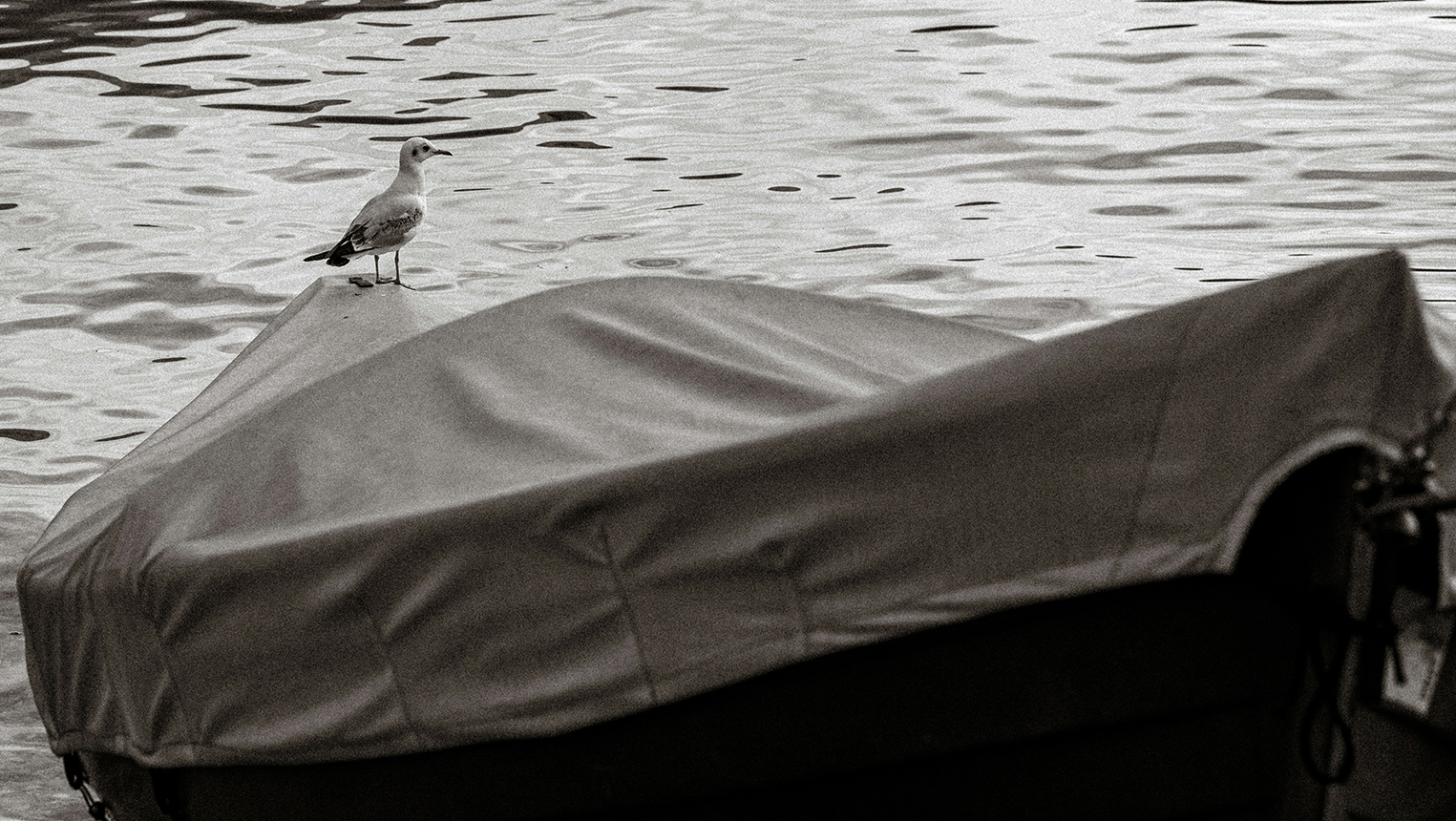
Storing your boat outdoors exposes it to sun, rain, wind, and dirt. These elements cause fading, cracking, and mold. That is why you need one of the best boat covers for storage and outdoor use. But with many choices, how do you pick the right one? This guide covers materials, fit, and key features. It also shows how to choose based on your storage needs. Examples from Coverqueen (www.cover-master.com) illustrate quality indicators.
Why You Need the Best Boat Covers for Storage and Outdoor Use
Outdoor storage is tough on boats. UV rays fade gelcoat and crack vinyl seats. Rain brings moisture that causes mold and rust. Snow adds weight and stress. Wind blows dirt and debris into every crevice. Without a high-quality cover, your boat's value drops quickly.
A top-tier cover is a smart investment. It blocks 95-99% of UV rays. It repels water while allowing vapor to escape. This prevents condensation and mold. It also keeps dirt and pests out. As a result, it saves you money on repairs and keeps your boat looking great.
Coverqueen designs their covers for this exact purpose. Their products provide dependable, all-season protection during storage, docking, or transportation.
Understanding Boat Cover Materials: Key to Outdoor Protection
The material is the most important part of any cover. The best materials balance durability, water resistance, and breathability. Here are the most common premium fabrics.
Solution-dyed polyester. This is a top choice for premium covers. The color is added to the liquid polyester before the fiber is made. As a result, the color goes all the way through the fabric. It resists fading and UV damage much better than other fabrics. It is also strong, lightweight, and breathable. A 600-denier solution-dyed polyester is a very good choice for outdoor storage.
Acrylic canvas (e.g., Sunbrella). This is a classic marine fabric. It is very breathable and resists mildew. However, it is heavier than polyester. It can also stretch over time, which may cause water pooling.
Vinyl-coated polyester. This is completely waterproof. However, it does not breathe at all. This can trap moisture, leading to mold and mildew inside the boat. It is also heavy and less flexible, making it harder to handle.
For outdoor storage, a high-quality, solution-dyed polyester is often the best choice. Coverqueen uses durable, weather-resistant materials in their boat and yacht covers.
Denier Explained: 600D vs. 900D for Durability
Denier (D) measures the thickness of the fabric's fibers. A higher number means a thicker, stronger, and more durable fabric.
600D Fabric. This is a medium to heavy-duty fabric. It offers a great balance of strength and weight. It is the most popular choice for high-quality, all-weather covers. It resists tears, UV rays, and water well, making it perfect for most climates and storage conditions.
900D Fabric. This is an extra-heavy-duty fabric. It is extremely strong and tear-resistant. It is the best choice for harsh environments, long-term outdoor storage, or areas with heavy snow. It provides the highest level of protection but can be heavier and more expensive.
For outdoor storage, pay attention to the denier. Both 600D and 900D are excellent choices, depending on your needs.
Key Features of a Top-Quality Outdoor Boat Cover
Beyond the fabric, several features make a cover truly suitable for outdoor use.
Breathability. This is a critical feature. The cover must allow water vapor to escape. Otherwise, condensation builds up under the cover. This trapped moisture causes mold, mildew, and electrical problems. A high-quality cover is water-resistant but breathable.
UV Resistance. The sun is very damaging. UV rays break down fabric and fade your boat's finish. Look for covers made with UV-stabilized materials. These fabrics last longer and provide better protection.
Water Resistance. A cover must keep rain out. However, it should not be completely waterproof to the point of trapping moisture. A water-resistant cover that beads water and rolls it off is ideal.
Reinforced Seams. Seams are the weakest point on any cover. Look for covers with double-stitched or taped seams. This adds strength and prevents water from seeping through the needle holes.
Secure Fit System. A loose cover will flap in the wind, which causes wear and tear. A good fit is essential. Look for covers with adjustable straps, buckles, and a drawstring system. This will keep the cover snug, even in high winds.
Cover Support System. Water pooling is a major problem. It adds weight and can cause the cover to collapse. A support system, such as integrated straps or poles, creates a tent-like effect. This allows water to run off the cover.
Coverqueen boat covers include many of these features. Their covers have reinforced structures and secure attachments.
Choosing the Right Fit: Custom, Semi-Custom, and Universal
The fit of a cover is crucial for outdoor protection. There are three main categories.
Custom Covers. These are made to the exact measurements of your specific boat make and model. They provide the best possible fit. This minimizes flapping and prevents gaps where water or debris can enter. Custom covers offer the highest level of protection but are also the most expensive.
Semi-Custom Covers. These are designed to fit a range of boats within a certain size and type. They offer a good balance of fit and cost. They fit better than universal covers but are not as perfect as custom ones.
Universal Covers. These come in a few general sizes. They are the cheapest. However, they are often loose and do not fit well. They can billow in the wind, which can damage both the cover and the boat. They are not recommended for long-term outdoor storage.
For outdoor storage, a custom or semi-custom cover is a wise investment.
Specific Use Cases: Storage vs. Trailering
The best boat covers for storage and outdoor use must also consider how you use your boat.
Storage Covers. These are designed for when the boat is parked, either indoors or outdoors. They prioritize breathability and water resistance to prevent moisture buildup. They may not be designed for highway speeds.
Trailering Covers. These are made to withstand the wind and vibration of towing. They are typically made from heavier, more durable fabric and have a very tight, custom fit to prevent billowing.
If you plan to tow your boat with the cover on, you need a cover specifically designed for trailering. Many storage covers are not suitable for the road.
Installation and Maintenance Tips for Long Life
Proper installation and care will extend the life of your cover.
Installation. Make sure the boat is clean and dry before putting the cover on. Remove any sharp objects that could poke holes. Cover any protrusions with padding. Drape the cover evenly and secure all straps. The cover should be snug but not overly tight. Check to make sure water will run off and not pool.
Maintenance. Regularly clean the cover with a mild soap and water. Rinse it thoroughly. Let it dry completely before storing it. Inspect the cover for any small tears and repair them with a patch kit. This will prevent them from becoming large problems. Store the cover in a dry place away from direct sunlight.
Common Mistakes to Avoid
Avoid these errors to get the best value and protection.
Buying Based on Price Alone. A cheap cover will not last. It will tear, fade, or trap moisture. In the long run, buying a cheap cover is more expensive than buying a quality one.
Choosing a Non-Breathable Cover. A fully waterproof cover traps moisture. This causes mold and mildew. Always choose a cover that is water-resistant and breathable for long-term storage.
Getting the Wrong Size. An ill-fitting cover fails to protect your boat and will wear out faster. Measure your boat carefully or consult a size chart.
Skipping the Support System. Water pooling is a common problem that can damage both the cover and the boat. Use a cover with a built-in support system or add support poles.
Conclusion
Finding the best boat covers for storage and outdoor use is important for protecting your boat. Look for durable, breathable fabric like solution-dyed polyester. Consider the denier based on your climate. Ensure a proper fit with features like adjustable straps and support systems.
Coverqueen makes covers that meet these criteria. They use high-quality, weather-resistant materials. Their covers are designed for a secure fit and long-lasting performance.
For more information, visit www.cover-master.com. Check their selection of boat covers. Choose the right one for your vessel. This will keep your boat safe and ready for your next trip.


