Premium Boat Covers for All Weather – Complete Buying Guide
News Details
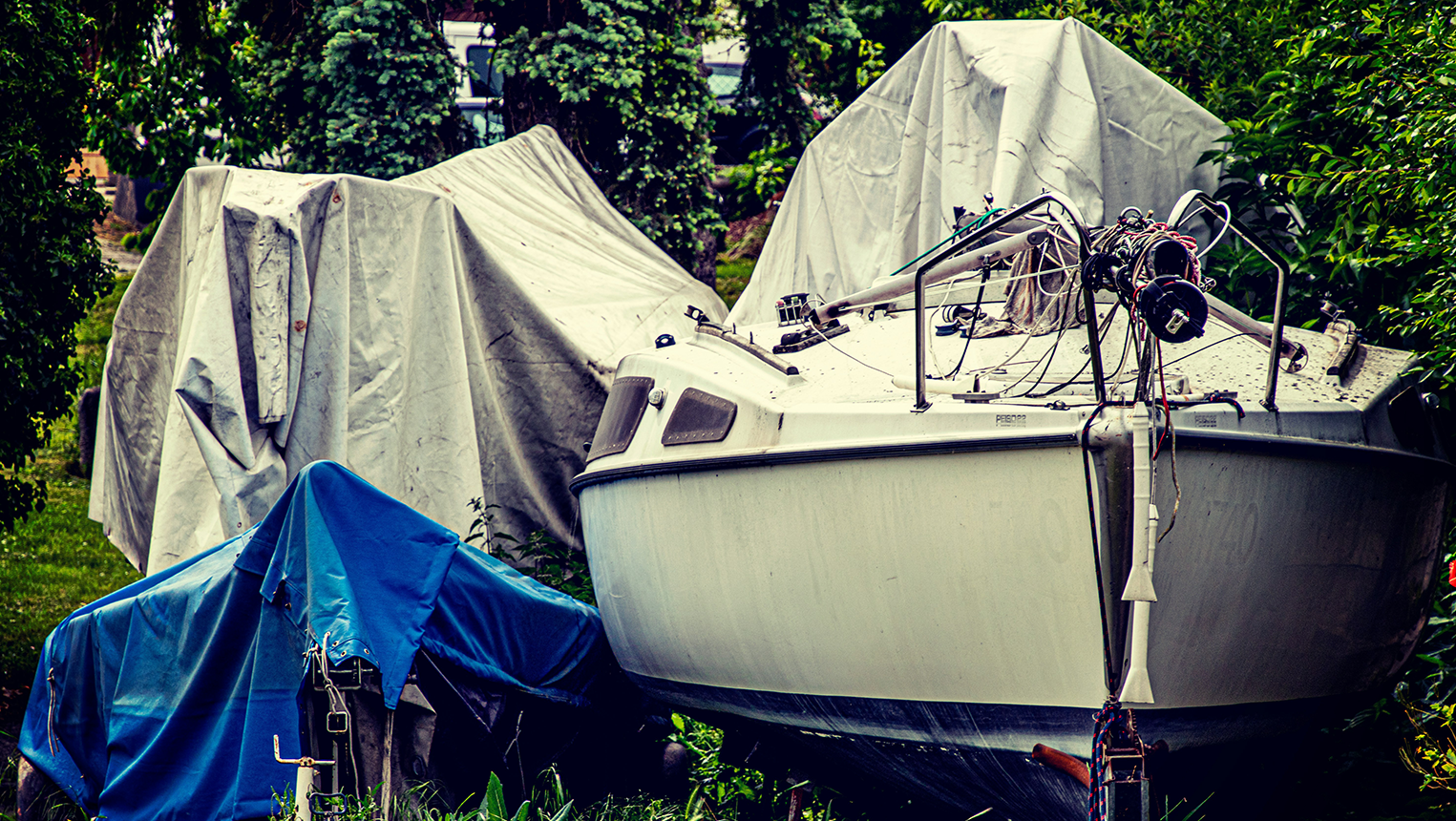
Boats face sun, rain, snow, and wind. These elements damage gelcoat, upholstery, and electronics. A quality cover prevents this damage. This guide explains how to select premium boat covers for all weather. It covers materials, fit, and features. Examples from Coverqueen (www.cover-master.com) illustrate quality indicators.
Why All-Weather Protection Requires Premium Boat Covers
Outdoor storage exposes boats to continuous degradation. UV radiation causes gelcoat fading and vinyl cracking. Moisture promotes mold and electrical corrosion. Airborne dirt scratches surfaces.
Therefore, premium boat covers for all weather are not optional. They block 95-99% of UV rays. They repel rain while allowing vapor escape. They also prevent dirt accumulation. As a result, they reduce maintenance costs and preserve boat value.
Coverqueen designs covers for all-season protection during storage, docking, or transportation.
Boat Cover Materials Compared
Material selection determines cover performance. Three fabric types dominate the premium category.
Solution-dyed polyester. Color added during fiber production. Resists fading and UV damage. Strong, breathable, and lightweight. Weight ranges from 200 to 400 g/m² depending on denier. Preferred choice for most applications.
Acrylic canvas (e.g., Sunbrella). Breathable and mildew resistant. Heavier than polyester. Stretches over time. Requires reproofing. Suitable for moderate climates.
Vinyl-coated polyester. Complete waterproof barrier. No breathability. Traps condensation. Heavy and inflexible. Only suitable for short-term use.
For premium boat covers for all weather, solution-dyed polyester provides optimal balance of durability, breathability, and UV resistance.
Denier Selection: 600D vs. 900D
Denier measures fiber thickness. Higher numbers indicate stronger fabric.
600D. Medium-heavy duty. Tensile strength approximately 350 N per cm. Balances strength and weight. Suitable for most climates and seasonal storage.
900D. Extra-heavy duty. Tensile strength approximately 500 N per cm. Maximum tear resistance. Recommended for harsh environments or year-round outdoor storage.
Select 600D for moderate conditions. Select 900D for extreme exposure.
Essential Features for Premium All-Weather Covers
Beyond material, specific features determine performance.
Breathability. Critical for moisture control. Fabric must allow vapor transmission at 300-500 g/m² per 24 hours. Prevents condensation and mold growth.
UV stabilization. UV inhibitors prevent photodegradation. Without treatment, tensile strength drops 40-60% after 1000 hours exposure. With treatment, service life extends to 4-7 years.
Water resistance. Fabric must repel liquid water. Waterproofing treatments shed water and prevent pooling. Water resistance should not compromise breathability.
Reinforced seams. Double-stitched or taped seams prevent seam failure. Seam strength should reach 70-90% of base fabric strength.
Secure fit system. Adjustable straps, elastic hems, and tie-downs prevent wind lift. Proper fit eliminates flapping, which causes fabric fatigue.
Support system. Integrated poles or straps create water-shedding ridges. Prevents pooling and collapse under rain or snow load.
Coverqueen covers incorporate these features through reinforced structures and attachment systems.
Fit Categories: Custom, Semi-Custom, and Universal
Fit affects cover performance through three mechanisms.
Custom covers. Made to exact boat measurements. Provides optimal fit. Minimizes flapping and gaps. Highest protection level. Most expensive.
Semi-custom covers. Fits a range of boats within size and type parameters. Good balance of fit and cost. Better than universal options.
Universal covers. General sizes only. Loose fit causes billowing. Wind damage and water entry likely. Not recommended for long-term protection.
For premium boat covers for all weather, custom or semi-custom fit is essential.
Cover Selection by Boat Type
Different boat profiles require specific designs.
Bass and fishing boats. Need motor pockets and rod holder reinforcements. Flat bow design requires tapered fit.
Runabouts and bowriders. Need windshield accommodation and swim platform coverage. Secured fit around these protrusions.
Center console boats. Need clearance for raised consoles and T-tops. Velcro openings for antennas and accessories.
Pontoons. Need full deck and railing coverage. Support poles prevent water pooling on large surfaces.
Coverqueen produces covers for all these types.
Installation and Maintenance Protocol
Installation. Clean boat surface thoroughly. Pad sharp edges. Drape cover evenly. Secure all straps. Verify water runoff path.
Maintenance every 60 days. Remove and inspect for tears or seam damage. Clean with mild soap and water. Rinse completely. Dry thoroughly before reinstallation.
Repair small tears under 5 cm. Apply patch to both sides. Larger seam separation requires professional repair or replacement.
Quality Indicators and Cost Analysis
Purchase price correlates with service life.
**Budget covers under $100.** Typically 300D fabric without UV inhibitors. Service life: 12-18 months. Replacement cost over 5 years: $400-500.
**Mid-range covers $150-250.** 600D solution-dyed polyester with UV treatment. Service life: 4-6 years. Cost per year: $25-60.
**Premium covers $300-400.** 900D heavy-duty fabric with full features. Service life: 7-9 years. Cost per year: $33-57.
Higher upfront cost provides lower long-term expense. Additionally, superior protection prevents boat damage.
Common Specification Errors
Selecting inadequate denier. 300D cover used outdoors. Result: fabric tear within one season. Solution: 600D minimum for outdoor storage.
Ignoring breathability. Fully waterproof cover chosen. Result: interior mold growth. Solution: verify water resistance, not waterproof.
Incorrect size selection. Cover purchased for nominal length excluding attachments. Result: 30 cm gap at stern. Solution: measure inclusive of all protrusions.
Missing UV specification. Cover without inhibitor verification. Result: fabric degradation in 12-18 months. Solution: confirm UV treatment in product documentation.
Final Selection Protocol
Determine storage environment. Indoor: 300D sufficient. Outdoor moderate: 600D. Outdoor harsh: 900D.
Measure boat precisely. Include all attachments. Add 15-30 cm for protrusions.
Verify fabric specification. Solution-dyed polyester required. UV inhibitors specified. Water resistant, not waterproof.
Check fit features. Elastic hems, adjustable straps, reinforced seams.
Select Coverqueen product. Visit www.cover-master.com for current models and specifications.
A properly selected cover provides 5 to 9 years of reliable service. This protects boat investment and reduces maintenance frequency.


