How to Choose the Best Boat Covers for Long-Term Protection
News Details
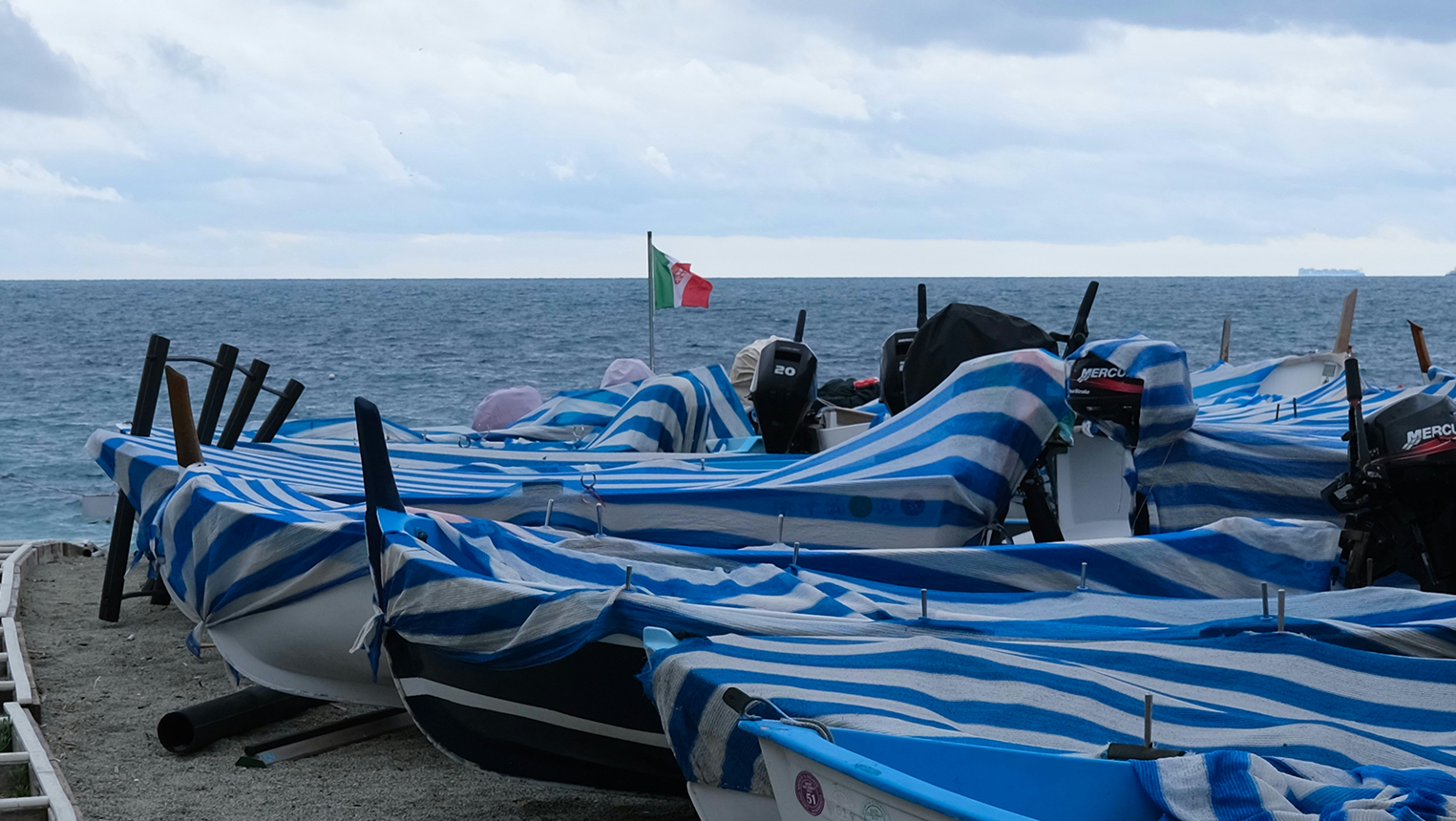
Boat ownership requires protection. Sun, rain, wind, and debris cause gelcoat fading, upholstery cracking, and electronic failure. A proper cover prevents this damage. This guide explains how to choose the best boat covers for long-term protection. It covers material science, fit requirements, and climate considerations. Examples from Coverqueen (www.cover-master.com) illustrate quality indicators.
Why Long-Term Boat Protection Requires a Quality Cover
Boats stored outdoors face continuous exposure. UV radiation degrades gelcoat and vinyl. Moisture promotes mold and electrical corrosion. Airborne dirt scratches surfaces. Without a cover, a boat loses value and requires premature maintenance.
Therefore, learning how to choose the best boat covers for long-term protection directly affects ownership costs. A quality cover blocks 95-99% of UV rays. It repels rain while allowing vapor escape. It also prevents dirt accumulation.
Coverqueen designs their boat covers for this purpose. Their products provide all-season protection during storage, docking, or transportation.
Oxford Fabric. The Industry Standard
Most quality boat covers use Oxford fabric. This woven polyester receives a coating for water resistance. The fabric weight, measured in denier (D), determines strength.
300D Oxford. Thickness approximately 0.25mm. Tensile strength around 200 N per cm. Suitable for indoor storage or light dust protection. Not recommended for long-term outdoor use.
600D Oxford. Thickness approximately 0.35mm. Tensile strength around 350 N per cm. Resists tearing under moderate wind. Suitable for most climates and seasonal outdoor storage.
900D Oxford. Thickness approximately 0.45mm. Tensile strength around 500 N per cm. Handles heavy snow loads and strong UV exposure. Recommended for harsh environments or year-round outdoor storage.
Coverqueen offers all three weights. Their boat and yacht covers use high-quality Oxford fabric with corresponding denier ratings.
Water Resistance vs. Waterproof. Critical Distinction
Fully waterproof fabric blocks liquid water completely. However, it also traps water vapor. Condensation forms on the boat interior. This trapped moisture causes mold, mildew, and electrical issues.
Water resistant fabric repels liquid water but allows vapor transmission. The breathability rate is typically 300 to 500 grams per square meter per 24 hours. This is sufficient to prevent condensation while keeping rain out.
Therefore, for long-term protection, water resistant and breathable fabric outperforms fully waterproof material. Coverqueen boat covers use water resistant fabric that reduces moisture buildup.
UV Resistance and Fabric Degradation
UV radiation degrades polyester through photodegradation. The polymer chains break, resulting in tensile strength loss of 40-60% after 1,000 hours of exposure. Fabric becomes brittle and cracks.
UV inhibitors absorb or reflect radiation before it reaches the polymer. Quality covers add these inhibitors during manufacturing. Expected service life with UV inhibitors is 4 to 7 years. Without inhibitors, life expectancy drops to 12 to 18 months.
Coverqueen boat covers are made with UV resistant materials. This extends both cover life and boat protection.
Proper Fit. Mechanical Requirements
Cover fit affects performance through three mechanisms.
Loose fit. Wind lifts the cover. Flapping creates cyclic stress at attachment points. Fabric fatigue occurs. Holes develop at contact points with sharp edges. Elastic hems and adjustable straps prevent this.
Tight fit. Excessive tension loads seams and zippers. Seam strength typically ranges from 70-90% of base fabric strength. Over-tensioning causes seam tear-out. Proper fit leaves 2-3 cm of slack across flat surfaces.
Gaps. Exposed areas collect debris and water. Birds access interior spaces. Gap tolerance should be under 1 cm around the hull.
Coverqueen boat covers include reinforced structures, elastic hems, and strap systems. These features maintain proper fit across varying conditions.
Material Comparison. Oxford vs. Polyester vs. Canvas vs. Vinyl
Oxford fabric (polyester base). Weight: 200-400 g/m² depending on denier. UV resistance good with inhibitors. Water resistance good. Breathability moderate. Cost moderate. Best for most applications.
Standard polyester. Weight: 150-250 g/m². UV resistance good. Water resistance moderate. Breathability moderate. Cost low. Suitable for light duty.
Canvas (cotton). Weight: 400-600 g/m². UV resistance poor. Water resistance poor without treatment. Breathability high. Cost high. Requires regular reproofing. Not recommended for long-term outdoor use.
Vinyl (PVC coated). Weight: 500-800 g/m². UV resistance moderate. Water resistance complete. Breathability none. Condensation risk high. Cost high. Suitable only for short-term use.
For long-term outdoor boat storage, Oxford fabric in 600D or 900D provides optimal balance.
Cover Selection by Boat Type
Different boat profiles require specific cover designs.
Bass boats. Flat bow, low profile, trolling motor mount. Cover needs motor pocket and tapered bow fit.
Fishing boats. Open deck layout, elevated console, rod holders. Cover requires console relief and rod holder pockets.
Runabouts. Moderate beam, windshield, swim platform. Cover needs windshield reinforcement and platform coverage.
Pontoons. Wide deck, railing system, furniture layout. Cover requires full deck coverage with pole support for water shedding.
Yachts. Multiple levels, radar arches, dinghy mounts. Cover requires custom panel design and support structures.
Coverqueen designs covers for all these types. Their heavy-duty line suits bass boats, fishing boats, runabouts, pontoons, and yachts.
Coverqueen Product Line Specifications
Coverqueen offers three boat cover tiers.
Standard Boat and Yacht Covers. Oxford fabric in 300D, 600D, or 900D. Water resistant and UV resistant. Suitable for docking, storage, and transportation.
Waterproof UV Resistant Boat and Yacht Covers. Durable weather-resistant materials. Secure fit with reinforced structure. All-season protection.
Heavy Duty Waterproof Boat and Yacht Covers. Engineered for long-term storage, mooring, and road transport. Multiple attachment points. Reinforced seams. UV, rain, snow, and debris protection.
All products include elastic hems and strap systems. Visit www.cover-master.com for complete specifications.
Measurement Protocol for Proper Fit
Accurate measurement prevents fit issues.
Length. Measure from bow tip to stern center. Include outboard motors, swim platforms, and bow sprits. Add 15-30 cm for these attachments.
Beam width. Measure at the widest part of the hull. For pontoons, measure the outer rail to outer rail distance.
Height. Measure from gunwale to highest fixed point. Windshield height matters for cover support.
Size chart comparison. Compare measurements to manufacturer chart. If boat falls between sizes, select the larger size.
Installation and Maintenance Requirements
Installation. Clean boat surface. Cover sharp edges with padding. Drape cover evenly. Secure all straps to trailer or hull. Verify no pooling potential.
Maintenance every 60 days. Remove cover. Inspect for tears, seam separation, or strap damage. Clean with mild soap and water. Rinse thoroughly. Dry completely before reinstalling.
Repair protocol. Small tears under 5 cm can be patched. Apply patch to both sides. Seam separation over 10 cm requires professional repair or replacement.
Cost Analysis. Quality vs. Bargain
A $80 cover lasts approximately 12 months before fabric degradation. Replacement cost over 5 years: $400.
A $220 Coverqueen 600D cover lasts 5 to 6 years. Cost per year: $37 to $44.
A $350 Coverqueen 900D cover lasts 7 to 9 years. Cost per year: $39 to $50.
Bargain covers have lower upfront cost but higher long-term expense. Additionally, boat damage from cover failure adds repair costs.
Common Specification Mistakes
Incorrect denier selection. 300D covers used outdoors. Result: fabric tear within one season. Solution: 600D minimum for outdoor storage.
Ignoring breathability. Fully waterproof cover selected. Result: interior mold growth. Solution: verify water resistant, not waterproof.
Loose fit tolerance. Cover purchased for nominal length without attachments. Result: 30 cm gap at stern. Solution: measure inclusive of all protrusions.
No UV verification. Cover without inhibitor specification. Result: fabric degradation in 12-18 months. Solution: confirm UV treatment in product documentation.
Coverqueen for RV Applications
Coverqueen also manufactures RV covers. Their UV Hydro series covers travel trailers, tent trailers, toy haulers, and 5th wheels. Features include UV resistant fabric, waterproof performance, and breathable construction. These covers suit long-term outdoor storage.
Final Selection Protocol
Step one. Determine storage environment. Indoor: 300D sufficient. Outdoor moderate climate: 600D. Outdoor harsh climate or year-round: 900D.
Step two. Measure boat accurately. Include all attachments. Compare to size chart.
Step three. Verify fabric specification. Oxford required. UV inhibitors required. Water resistant, not waterproof.
Step four. Check fit features. Elastic hems, adjustable straps, reinforced seams.
Step five . Select Coverqueen product matching these criteria. Visit www.cover-master.com for current models.
A properly selected cover provides 5 to 9 years of service. This protects boat value and reduces maintenance frequency.


